
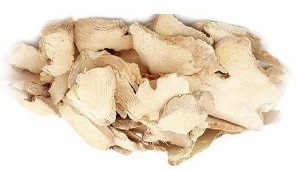
Nigerian dried ginger is among the most sought-after in the world — known for its exceptionally high gingerol content (6–8%), bold aroma, and clean flavour profile. If you are looking to source dried ginger from Nigeria, this guide covers everything you need: grade specifications, pricing dynamics, documentation requirements, and how to place your first FOB order with confidence.
Why Nigerian Ginger is a Global Favourite
Nigeria's ginger belt — spanning Kaduna, Nasarawa, Gombe, and Benue States — produces some of the most pungent and consistent ginger available on the international spice market. Three qualities make Nigerian ginger stand out from Indian, Chinese, or Peruvian alternatives:
- High gingerol content: 6–8% gingerol — one of the highest concentrations globally. Gingerol is the primary bioactive compound responsible for ginger's heat and health properties. This makes Nigerian ginger ideal for oleoresin extraction, pharmaceutical formulations, and premium food manufacturing.
- Bold, authentic flavour: Nigerian ginger has a sharper, more complex flavour profile compared to Chinese ginger — preferred by European spice houses and food manufacturers targeting premium markets.
- Farm-to-FOB sourcing: Direct relationships with farmer cooperatives in Kaduna and Nasarawa keep pricing competitive and traceability straightforward — increasingly important for buyers with ESG supply chain requirements.
Grades, Forms and Specifications
Nigerian dried ginger is available in three main forms. Understanding which form suits your application will determine your specification requirements:
| Specification | Dried Split Ginger | Dried Whole Ginger | Ginger Powder |
|---|---|---|---|
| Gingerol Content | 6–8% | 6–8% | 5–7% |
| Moisture Content | ≤ 10% | ≤ 12% | ≤ 7% |
| Volatile Oil | 1.8–2.5% | 1.8–2.5% | 1.5–2.0% |
| Ash Content | ≤ 7% | ≤ 7% | ≤ 7% |
| Foreign Matter | ≤ 2% | ≤ 2% | ≤ 1% |
| Aflatoxin | Within EU/Codex limits | Within EU/Codex limits | Within EU/Codex limits |
| Packaging | 50kg jute / 25kg PP bags | 50kg jute bags | 25kg multi-layer bags |
| Best For | Spice trade, oleoresin | Food manufacturing | Seasoning, supplements |
Split ginger is the most commonly traded form internationally — the fresh rhizome is sliced and sun-dried to 5mm+ splits. This form is preferred for the international spice trade because moisture content is easier to test and verify, and the large surface area allows thorough drying.
Whole dried ginger suits buyers who want to control the cutting process themselves, or for specific end uses such as brewing ginger beer or making loose-leaf tea blends.
Ginger powder is available ground to various mesh sizes for seasoning blends, supplements, and food manufacturing. Custom grinding and sieving is available on request.
FOB Pricing, MOQ and Lead Time
Nigerian dried ginger is priced on an FOB Lagos (Apapa Port) basis. The seller covers all costs up to and including loading at the port — ocean freight, insurance, and import duties are the buyer's responsibility from that point onwards.
FOB prices for Nigerian ginger fluctuate based on three main factors:
- Harvest cycle: Prices are lowest in November–January immediately after harvest when supply is at its peak. By March–April, prices typically rise 15–25% as post-harvest stocks are drawn down.
- Global spice market: Indian and Chinese ginger prices influence Nigeria through competitive dynamics — when Indian prices spike, buyers switch to Nigerian origin, pushing Nigerian prices upward.
- Order volume and timing: Forward contracts placed before harvest (August–September) typically achieve the most competitive annual pricing.
"The smartest buyers place forward contracts for Nigerian ginger in August or September — before the October harvest begins. They lock in supply at pre-harvest prices and take delivery when the new crop is freshest and cleanest." — Adeke Ideas Export Team, Lagos
Standard commercial terms:
- MOQ: 20 metric tons, FOB Lagos
- Supply capacity: 300+ MT/month
- Lead time: 2–4 weeks from order confirmation to vessel loading
- Payment: LC (Letter of Credit), TT (30% advance + 70% before B/L release), DP available
Nigeria's Key Ginger-Producing States
Understanding where Nigerian ginger comes from matters — different states produce ginger with slightly different characteristics that affect end-use suitability:
| State | Known For | Peak Season |
|---|---|---|
| Kaduna | Highest gingerol content, bold flavour — most sought after internationally by spice processors and oleoresin manufacturers | October – January |
| Nasarawa | High volume production, consistent quality, large cooperative farming base | October – December |
| Gombe | Clean, low-moisture ginger due to drier Sahel climate — excellent for direct powder milling | November – January |
| Benue | Good yields with competitive farm-gate pricing — often blended for volume orders | October – December |
Kaduna State ginger has built the strongest international reputation and consistently commands a premium over other Nigerian origins. We source primarily from Kaduna and Nasarawa for export orders requiring the highest gingerol specifications.
Key International Markets and Uses
Nigerian dried ginger reaches buyers across multiple industries and continents:
- Spice trade (India, UAE, UK, Germany): Dried split ginger for reprocessing into ginger powder, spice blends, and culinary ginger products for retail and food service.
- Oleoresin extraction (India, China): High-gingerol Nigerian ginger is a preferred feedstock for ginger oleoresin production — used in food flavouring, cosmetics, and pharmaceutical applications. The oleoresin yield from Nigerian ginger is consistently higher than lower-gingerol origins.
- Food manufacturing (Europe, USA): Ingredient in ginger beer, ginger ale, ginger biscuits, confectionery, ready meals, and marinades requiring authentic ginger flavour.
- Nutraceuticals (Global — fastest growing): Anti-inflammatory and digestive health supplements leveraging gingerol's well-documented bioactive properties. Nutraceutical companies pay a significant premium for verified high-gingerol Nigerian ginger.
- Essential oil distillation: Steam distillation for ginger essential oil used in aromatherapy, cosmetics, and premium flavouring.
Export Documentation — Complete Package
Every shipment of Nigerian dried ginger from Adeke Ideas includes a complete documentation package. Always request all five documents before releasing final payment:
Certificate of Origin (COO)
Issued by the Nigerian Export Promotion Council (NEPC) or the Lagos Chamber of Commerce. Confirms the ginger originates from Nigeria — required for customs clearance and GSP tariff preferences in the EU, UK, and other destination markets.
Phytosanitary Certificate
Issued by the Nigerian Agricultural Quarantine Service (NAQS). Mandatory for import into the EU, UK, Japan, South Korea, and most destination markets. Confirms the ginger is free from quarantine pests, disease, and soil contamination.
SGS Quality Inspection Report
Independent third-party quality inspection confirming gingerol content, moisture, volatile oil, ash content, and foreign matter. The report is sent directly to you by SGS — it cannot be altered by the seller and provides genuine pre-payment assurance of quality.
Certificate of Analysis (COA)
Laboratory analysis showing aflatoxin levels, heavy metals (lead, cadmium, arsenic, mercury), and pesticide residues — all tested within EU Regulation (EC) No 1881/2006 and Codex Alimentarius limits. This document is essential for EU and UK import clearance.
Commercial Invoice, Packing List & Bill of Lading
Standard shipping documents required for customs clearance at your destination port. The Bill of Lading (B/L) is released to you upon payment under the agreed payment terms — it is the key document of title to the goods.
Shipping Routes and Transit Times
Nigerian ginger is exported from Apapa Port, Lagos. Estimated sea freight transit times to major destination ports:
| Destination | Transit Time | Key Ports |
|---|---|---|
| India | 18–22 days | Mumbai, Kakinada, Kolkata |
| UAE | 14–18 days | Jebel Ali, Dubai |
| UK | 14–18 days | Felixstowe, Southampton |
| Netherlands | 12–16 days | Rotterdam |
| Germany | 14–18 days | Hamburg, Bremen |
| China | 25–32 days | Shanghai, Guangzhou |
| USA (East Coast) | 16–22 days | New York, Baltimore |
We can arrange freight forwarding to your destination port on your behalf, or you can nominate your own preferred freight forwarder. For CIF pricing — inclusive of freight and marine insurance to your named port — simply request this when asking for your quotation and we will provide both FOB and CIF prices for comparison.
How to Place Your First Ginger Order
Nigerian dried ginger offers international buyers a superior product at competitive prices — particularly when sourced directly from a NEPC-registered exporter with established farm relationships in Kaduna and Nasarawa. The process for placing your first order is straightforward:
- Specify your required form (split, whole, or powder), gingerol specification (typically 6%+ minimum), moisture limit, and packaging preference
- Request a formal FOB Lagos quotation — we will provide pricing within 24 hours including all-in costs clearly stated
- Agree payment terms — LC is strongly recommended for first orders; TT with 30% advance + 70% before B/L release is available for verified buyers
- Arrange SGS pre-shipment inspection before releasing final payment — we welcome and facilitate this on all orders
- Confirm your complete documentation package (COO, phytosanitary, COA, SGS report, invoice, packing list, B/L) is in order before accepting the bill of lading
We supply 300+ MT per month with consistent quality from verified Kaduna and Nasarawa sources. View our full Nigerian ginger specification page for complete technical details, or send us your inquiry and we will respond within 24 hours with a competitive FOB offer and full documentation checklist.